Projects > Polarization
I have examined political polarization (and “partisan sorting”) from a number of different angles. On the political-behavioral side: Kevins and Soroka (2018) examines partisan sorting in redistributive preferences in the Canadian context, identifying a growing divide between the policy preferences of liberal and conservative preferences over time. Fioroni et al. (2022) traces a similar kind of increasing divide, this time in the entertainment-viewing preferences of majority-Democratic and majority-Republican parts of the United States. Haieshutter-Rice et al. (2023) highlights some of the ways in which partisanship has permeated the everyday lives of Americans — affecting their perceptions of things like lattes, Volvos and NASCAR.
At least part of the rise in political polarization is connected to media use (Yang et al., 2016), so I have focused on the nature of media coverage as well. Chinn et al. (2020) identifies increasing polarization in news coverage of climate change. Hart et al. (2020) traces a similar rise in polarization in news coverage of the COVID-19 pandemic. Kang et al. (2026) uses LMMs to conduct content analyses of news from different partisan perspectives. Most recently, Soroka et al. (2026) uses formal models to make the case for viewing the rise in polarization as a co-adaptive system in which the public responds to media and media adapt to public preferences over time.
My ongoing project in this area, Political Polarization and the News Media Ecosystem, is funded through the Andrew Carnegie Fellows Program. My goal is to consider the ways in which changing media technologies and market pressures produce polarizing news content. Using computational methods, I am examining the contents and nature of news on both legacy and new media platforms over decades, identifying ways in which platform design and audience-making can be adjusted to reduce the proliferation of polarizing news content. Outcomes from this project, running from 2026 through 2028, will be posted here.
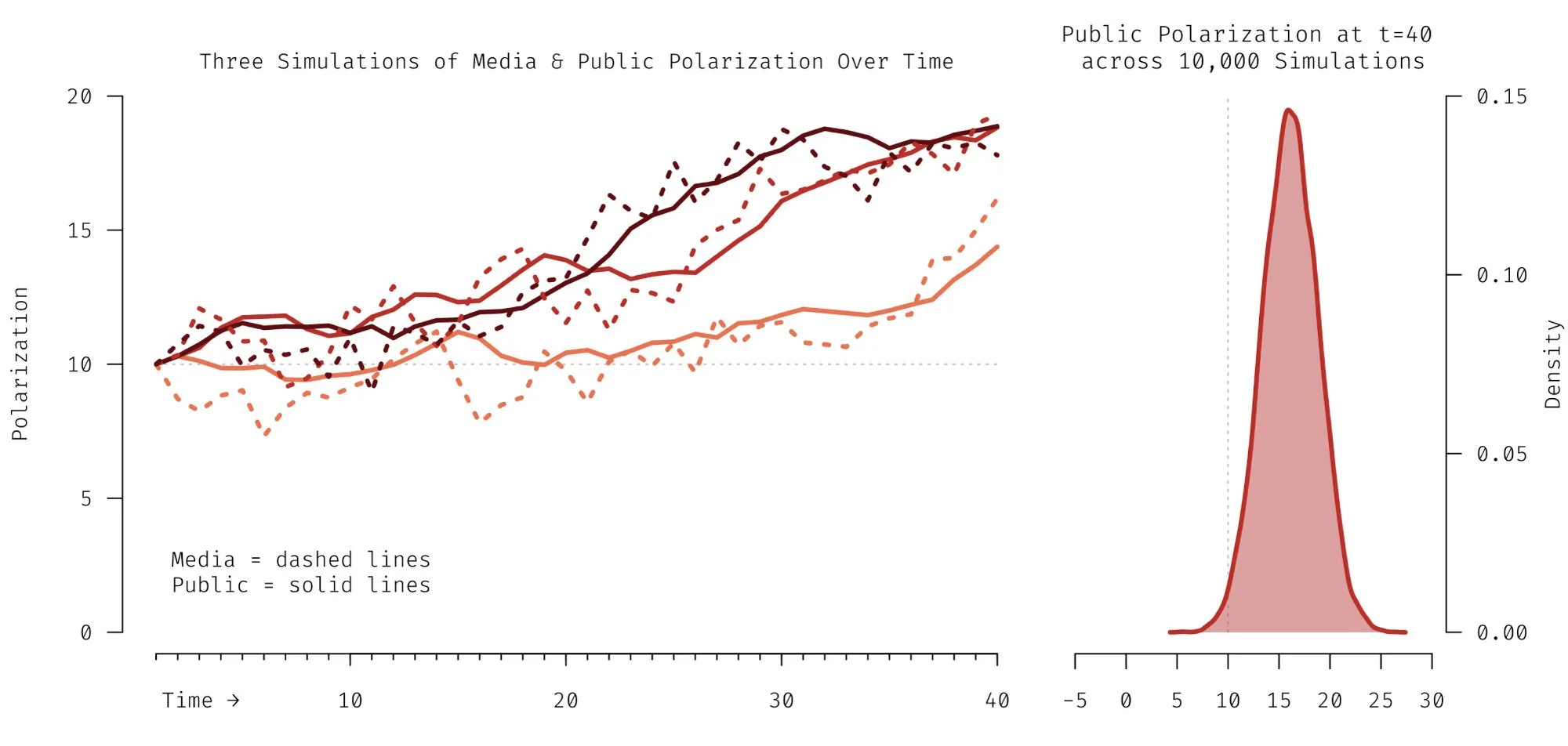
Figure 7 from Soroka, Kernell & Lamberson, 2026, “Political Polarization as a Co-adaptive Process.”